
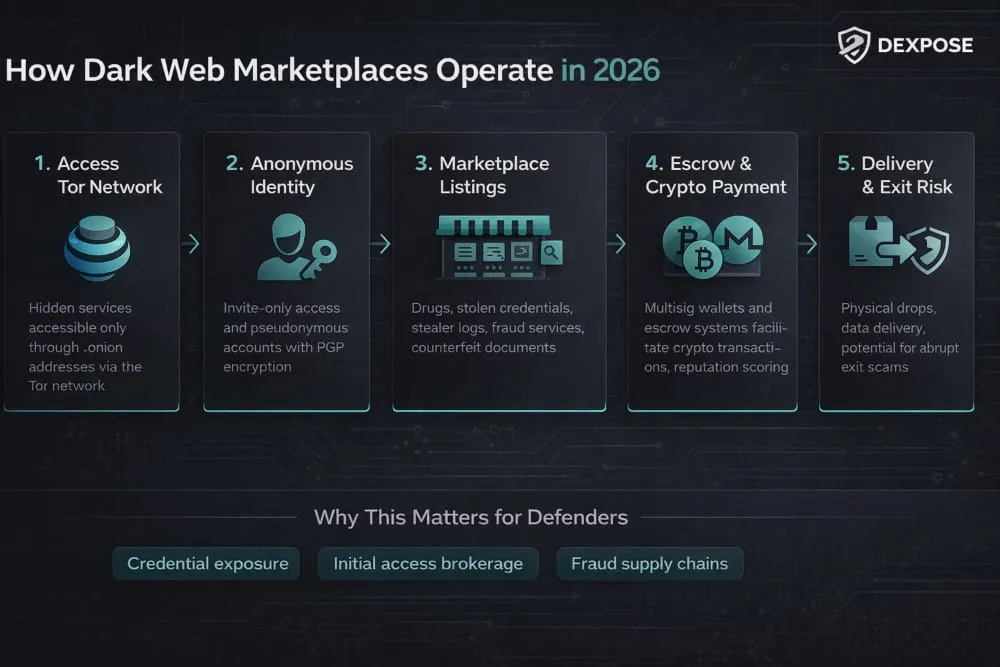
The internet contains countless websites, platforms, and online communities built around different purposes. Some are designed stash patrick for legitimate commerce, while others operate in less transparent environments and may be associated with fraud, stolen information, or other forms of cybercrime. The name “Stash Patrick Market” has appeared in online discussions connected with underground digital marketplaces, making it a subject of interest from a cybersecurity and online-safety perspective.
Understanding a name associated with an underground marketplace does not mean participating in such an environment. Instead, examining the terminology, website references, and potential risks can help consumers stashpatrick.cc , businesses, and cybersecurity professionals recognize common warning signs and protect themselves from digital threats.
Understanding the Stash Patrick Market Name
Names used by underground online communities can be difficult to interpret. A particular brand name may be used across multiple websites, forums, advertisements, or social-media posts, and there may be no reliable connection between different locations using the same terminology.
“Stash Patrick Market” should therefore be treated as a name or identifier rather than automatically assuming that every website using the term represents the same organization or service.
This distinction is important because cybercriminals frequently use recognizable names to establish credibility. A website may copy the branding of another platform, advertise supposed services, or claim to be an “official” destination without providing meaningful evidence of authenticity.
For cybersecurity researchers, this creates an important challenge: separating legitimate information from impersonation, phishing campaigns, fraudulent websites, and misleading advertisements.
Why Website References Require Caution
Searching for a marketplace name online can produce numerous results. Some may be informational pages, while others may attempt to imitate a particular service. A domain name alone does not establish that a website is trustworthy.
Visitors should be particularly cautious when a website connected with an underground marketplace requests sensitive information. Requests for passwords, payment details, identification documents, cryptocurrency transfers, or software downloads can create significant security and privacy risks.
Fraudulent websites may also use professional-looking designs to appear legitimate. Modern phishing pages can reproduce logos, layouts, login screens, and terminology associated with familiar services. As a result, appearance should never be considered sufficient evidence of authenticity.
Another concern is domain impersonation. Attackers can register addresses that resemble legitimate names by changing characters, adding words, or using unfamiliar domain extensions. These techniques can make fraudulent pages appear convincing at first glance.
The Risk of Stolen Financial Information
One of the most serious concerns surrounding underground marketplaces is the potential trade in stolen financial information. Payment-card details obtained through phishing, malware, data breaches, skimming, or other criminal methods can be used for fraudulent activity.
Consumers may encounter the consequences without ever interacting with an underground marketplace themselves. A compromised card can result in unauthorized transactions, account takeover attempts, identity theft, or additional phishing campaigns.
Businesses can also be affected. When customer information is exposed, organizations may face financial losses, operational disruption, regulatory obligations, reputational damage, and the cost of investigating and containing the incident.
For this reason, discussions surrounding names such as Stash Patrick Market are relevant to the broader subject of payment security.
Phishing and Fake Marketplace Websites
Phishing is one of the most common techniques used to exploit people interested in questionable online services. A fraudulent website may encourage visitors to create an account or provide personal information.
Once collected, this information may be reused in other attacks. For example, an email address and password combination obtained from one website may be tested against unrelated services. If a person has reused the same password elsewhere, a single compromise can become a much larger security problem.
Fake marketplace websites can also distribute malicious files. A visitor might be encouraged to download a supposed application, document, browser extension, or security tool. Malicious software can potentially capture passwords, monitor activity, or provide attackers with unauthorized access to a device.
Avoiding unfamiliar downloads is therefore an important part of maintaining digital security.
Privacy Risks
Privacy represents another major concern. Underground websites may operate without transparent privacy policies, recognizable corporate ownership, or reliable methods for resolving disputes.
Users who submit personal information to an unknown website may have little understanding of how that information will be stored, shared, or exploited.
Even when a website claims to provide anonymity, there is no guarantee that its promises are genuine. Technical vulnerabilities, malicious operators, compromised infrastructure, and deceptive practices can expose information.
People should therefore avoid assuming that an unfamiliar website can provide meaningful anonymity simply because it uses privacy-oriented language.
Cryptocurrency and Payment Fraud
Underground online environments sometimes promote cryptocurrency because digital assets can be transferred across borders and may appear attractive to people seeking alternative payment methods. However, cryptocurrency transactions can create additional risks.
Fraudulent operators may demand payment before providing a promised service and then disappear. Unlike many conventional payment systems, cryptocurrency transfers may be difficult or impossible to reverse.
Fake escrow services are another potential problem. A website may claim to protect transactions through an intermediary while actually controlling the entire payment process. Once funds are transferred, recovering them can be extremely difficult.
The safest approach is to avoid sending money to suspicious websites or unknown individuals simply because a platform claims to provide secure transactions.
Protecting Yourself From Associated Threats
People do not need to interact with underground marketplaces to benefit from stronger cybersecurity practices.
Using unique passwords for important accounts is one of the most effective protective measures. A password manager can help generate and store strong credentials without requiring users to remember every password.
Multi-factor authentication provides another layer of protection. Even if a password is compromised, an additional authentication requirement can make unauthorized access more difficult.
Consumers should also monitor financial accounts regularly. Unexpected transactions, unfamiliar login notifications, and unusual password-reset messages should be investigated promptly.
Keeping operating systems, browsers, and security software updated is equally important because updates often address vulnerabilities that attackers could otherwise exploit.
What Businesses Should Learn From Underground Markets
Organizations can use discussions about underground marketplaces as an opportunity to strengthen their security programs.
Businesses should protect customer information through encryption, access controls, employee training, monitoring, vulnerability management, and incident-response planning. Sensitive data should not be accessible to more employees or systems than necessary.
Security teams can also monitor publicly available threat intelligence for signs that company domains, credentials, or customer information have appeared in criminal ecosystems. Such monitoring should focus on detection and defense rather than interaction with illicit services.
Employee awareness is particularly important. Many data compromises begin with phishing messages or stolen credentials rather than highly sophisticated technical attacks.
Responsible Cybersecurity Awareness
The Stash Patrick Market name demonstrates why online terminology should be approached carefully. A name, domain, advertisement, or search result does not automatically establish legitimacy.
For ordinary internet users, the most useful response is to focus on defensive security: avoid suspicious websites, never provide sensitive information to unverified services, use unique passwords, enable multi-factor authentication, and monitor financial accounts.
For cybersecurity professionals, the subject can provide a broader lesson about threat intelligence, fraud detection, phishing prevention, and the protection of payment information.
Ultimately, awareness is one of the strongest defenses against online fraud. Understanding how questionable marketplaces are presented, how deceptive websites operate, and how stolen information can affect consumers allows people to recognize warning signs before a security incident occurs. The goal should not be to explore risky environments, but to understand the threats they represent and build safer habits for the wider digital ecosystem.
