
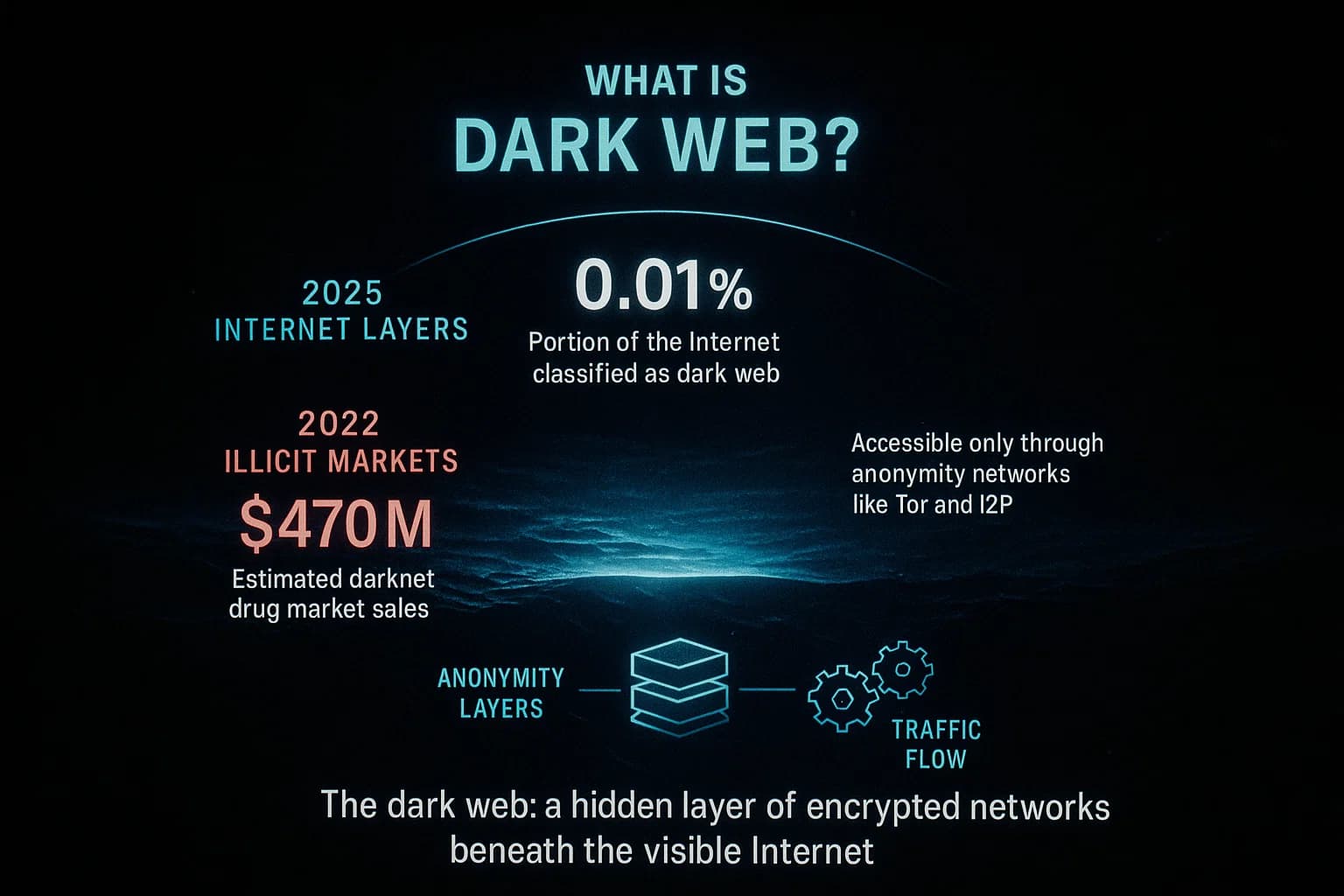
The internet contains a vast range of legitimate marketplaces, financial platforms, social networks, and digital services. Alongside this open web, however, there is an underground ecosystem where criminals may exchange stolen information, fraudulent services, malware, and other illicit resources. Multi-purpose darknet marketplaces represent one part of this environment.
bclub is a name that has appeared in online discussions concerning underground markets and stolen payment-card information. References to related domains, including bclub.tk, can also appear in cybersecurity discussions. However, information about underground services can be difficult to verify. Domains may disappear, change ownership, become inactive, or be copied by unrelated operators. Anonymous online claims can likewise be incomplete or misleading.
For cybersecurity professionals, the more valuable approach is to examine the Bclub ecosystem as a concept within the wider cybercrime economy. This means understanding how stolen information is obtained, why criminal marketplaces exist, how different cybercrime services can become interconnected, and what individuals and businesses can do to defend themselves.
Important note: This article does not provide instructions for locating, accessing, purchasing from, or using darknet marketplaces or stolen financial information. References to Bclub are presented for cybersecurity awareness and risk analysis.
What Is a Multi-Purpose Darknet Marketplace?
A multi-purpose darknet marketplace can be broadly described as an underground online environment that may host several categories of illicit activity rather than specializing in one type of criminal service.
Depending on the marketplace and period being studied, underground ecosystems have been associated with categories such as stolen credentials, compromised accounts, payment information, fraudulent documents, malicious software, or other illegal services.
The important distinction is that these marketplaces are not ordinary e-commerce platforms. Their existence depends on criminal activity, anonymity, trust mechanisms among criminals, and methods designed to make transactions difficult to trace.
For cybersecurity researchers, these environments can provide insight into the types of information criminals consider valuable and how different forms of cybercrime connect with one another.
Understanding the Bclub Ecosystem
The term “Bclub ecosystem” can be used broadly when discussing online references to Bclub and related underground card-data activity. It should not be interpreted as proof of a single, clearly documented organization or permanent marketplace infrastructure.
Underground cybercrime environments are often fluid. A name may continue to appear online even after a particular website has disappeared. Alternatively, unrelated individuals may use a familiar name to create an impersonation or scam.
This makes attribution particularly difficult.
When researching Bclub or similar services, it is useful to distinguish between:
- Verified security incidents
- Law-enforcement documentation
- Established cybersecurity research
- Archived historical information
- Anonymous online claims
- Unverified marketplace advertisements
Only the first categories should be treated as strong evidence without additional verification.
Why Stolen Payment Information Is Valuable
Payment-card information is an important component of the underground cybercrime economy because it can be connected with financial fraud.
Criminals may seek payment information through several methods, including data breaches, phishing, malware, compromised payment environments, and social engineering.
The information can sometimes be combined with other personal data, increasing the potential consequences for victims.
This means a payment-card compromise can become more than a single unauthorized transaction. It may contribute to a broader sequence involving account compromise, identity-related fraud, phishing, or other criminal activity.
How the Cybercrime Supply Chain Works
A multi-purpose marketplace is best understood as one part of a larger supply chain.
A simplified defensive model looks like this:
Initial compromise → Information theft → Data aggregation → Criminal distribution → Fraud attempts → Financial consequences
Different criminal actors may specialize in different stages.
For example, one group may concentrate on compromising accounts, while another may specialize in malware or fraudulent transactions. This specialization can make cybercrime more scalable.
For defenders, this is an important lesson. Blocking one website does not necessarily address the original vulnerability that allowed information to be stolen.
Common Sources of Stolen Information
Data Breaches
Organizations can become targets because they store valuable customer and business information. Attackers may exploit software vulnerabilities, stolen credentials, or configuration errors.
Strong access controls, security monitoring, encryption, vulnerability management, and regular testing can reduce these risks.
Phishing
Phishing attempts to trick people into providing information through deceptive messages and websites. Financial institutions and online retailers are frequently impersonated because their names can make fraudulent requests appear credible.
Malware
Malicious software can compromise devices and potentially expose credentials or sensitive information.
Keeping operating systems, browsers, and applications updated is a basic but important security practice.
Social Engineering
Attackers may manipulate people into revealing information or approving actions. This can involve impersonation, urgency, fear, or other psychological techniques.
Modern cybersecurity therefore requires both technical defenses and user awareness.
Why Multi-Purpose Markets Create Additional Risks
The broader an underground marketplace becomes, the more types of criminal activity may become interconnected.
A compromised account, for example, could expose personal information that is later used in another fraud campaign. Payment information may also be connected with credentials or other identity data.
This creates several risks:
Financial Risk
Victims may experience unauthorized transactions, account disruption, or other financial consequences.
Privacy Risk
Personal information can potentially be exposed or combined with other compromised datasets.
Business Risk
Organizations may face investigation expenses, customer complaints, operational disruption, and reputational consequences following a breach.
Security Risk
Underground websites themselves may expose visitors to malicious content, scams, phishing, or credential theft.
The final point is particularly important: people searching for underground marketplaces can become victims themselves.
The Problem of Trust in Criminal Marketplaces
Interestingly, criminal marketplaces still require participants to believe that other participants will honor agreements. This creates an unusual form of underground reputation system.
However, these systems cannot provide the same protections available through legitimate businesses and financial institutions.
There may be no reliable consumer protection, no legitimate dispute process, and no trustworthy guarantee that information or services advertised online actually exist.
Scammers can exploit this environment by impersonating established names or making false claims.
Consequently, online reputation should not be confused with legitimacy or safety.
Law Enforcement and Marketplace Disruption
International law-enforcement agencies regularly investigate and disrupt cybercrime infrastructure.
When an underground marketplace is taken offline, investigators may seize servers, analyze infrastructure, identify suspects, or gather evidence about associated criminal activity.
Such operations can disrupt criminal networks, but cybercrime can also adapt. Participants may migrate to different platforms, communication channels, or infrastructure.
This is why cybersecurity defenses cannot depend solely on shutting down individual websites.
Long-term risk reduction requires addressing the vulnerabilities that allow stolen information to be generated in the first place.
How Consumers Can Protect Their Information
Consumers can reduce their exposure to payment-related cybercrime with several practical measures.
Monitor financial accounts regularly. Unfamiliar transactions should be investigated promptly.
Enable transaction notifications. Alerts can help identify suspicious activity quickly.
Use multi-factor authentication. MFA provides another layer of protection when passwords are compromised.
Create unique passwords. Reusing credentials across different services increases the impact of a single breach.
Treat unexpected messages cautiously. Avoid entering financial information through links received unexpectedly by email, text, or social media.
Keep software updated. Security patches can address vulnerabilities used by attackers.
Use official channels. When contacting a bank or online service, use its official application or known website rather than information provided in a suspicious message.
What Businesses Can Learn
Businesses should view underground-market intelligence as one part of a broader security strategy.
Organizations should minimize the amount of sensitive information they retain, restrict access to important systems, protect privileged accounts, monitor suspicious activity, and maintain secure payment infrastructure.
Third-party suppliers should also be evaluated because attackers may target weaker organizations within a larger supply chain.
Employee education is another critical defense. Staff should understand phishing, impersonation, suspicious attachments, unusual payment requests, and other social-engineering techniques.
Organizations should also maintain an incident-response plan that establishes what happens when suspicious activity is detected.
Responsible Threat Intelligence
Cybersecurity professionals sometimes monitor underground discussions to understand emerging threats. This can be useful when conducted responsibly.
Researchers can rely on legitimate security reports, academic research, public law-enforcement announcements, breach notifications, and other lawful sources.
Directly purchasing or testing stolen financial information is unnecessary for understanding the threat and can introduce additional legal, ethical, and security concerns.
Researchers should also recognize that underground information can be intentionally deceptive. Criminals may exaggerate capabilities, publish fake listings, or impersonate other services.
Reliable cybersecurity analysis therefore requires corroboration.
The Future of the Bclub Ecosystem
The broader underground marketplace landscape will continue to evolve as payment technology, authentication, artificial intelligence, cryptocurrency, and law-enforcement capabilities change.
Payment providers are deploying stronger authentication, tokenization, fraud detection, and behavioral monitoring. At the same time, attackers continue searching for weaknesses in technology and human behavior.
Artificial intelligence may add another layer to this competition. Defensive systems can analyze large volumes of activity for unusual patterns, while criminals may attempt to automate phishing and social engineering.
As a result, the future of payment security will depend on multiple layers of protection rather than any single technology.
Conclusion
Multi-purpose darknet marketplaces demonstrate how different forms of cybercrime can become interconnected. Bclub has appeared in online discussions related to underground payment-card activity, but specific claims about Bclub, Bclub.tk, or related infrastructure should be independently verified rather than accepted automatically.
The broader Bclub ecosystem is best understood as part of a larger threat landscape involving stolen information, phishing, malware, compromised accounts, social engineering, and financial fraud.
For consumers, basic security measures such as multi-factor authentication, unique passwords, transaction monitoring, software updates, and careful handling of unexpected messages can significantly reduce exposure.
For businesses, strong access controls, secure payment practices, employee training, monitoring, third-party risk management, and incident-response planning are essential.
Ultimately, studying darknet marketplaces from a cybersecurity perspective is not about learning how to participate in them. It is about understanding how stolen information moves through the cybercrime ecosystem and how defenders can interrupt that process. Awareness, responsible threat intelligence, and layered security remain central to reducing the impact of online financial crime.
