
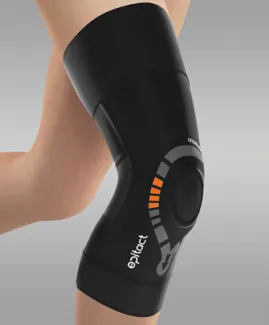
Walking and running are movements that we basically depend on. These two movements contribute to our day-to-day activities. This includes those moments when you walk around your house and when you run to collect your delivered groceries at the gate. These kinds of activities cause your knees to bear weight. This can happen whether you prefer a light walk in the park or a high-intensity run.
The impact on your joints changes depending on your pace and the surface beneath your feet. That is where knee support becomes necessary. This also means the knee support you choose for a walk might not be the same one you need for a marathon. Noticing the difference in orthopedic knee aids helps determine the right one to choose.
This blog will explore how to choose the right knee support for your particular movement patterns.
The Mechanics of Walking vs Running
Walking is a low-impact activity where your feet are always in contact with the ground. This creates a steady and predictable load on the knee joint. The pressure is generally about one and a half times your body weight. The knee requires stability more than heavy shock absorption because the movement is controlled. A lightweight knee cap for pain relief is usually ideal for walkers. It provides warmth and a gentle squeeze that keeps the joint aligned during long distances.
Running is a different activity entirely. It is considered a high-impact activity because both feet leave the ground simultaneously. The force on your knee can be three to four times your body weight when you land. This repetitive pounding requires a knee brace with advanced features. You need something that can handle vertical pressure and lateral shifts. The materials should also manage higher levels of heat and sweat. Choosing the wrong support for running can lead to skin irritation or inadequate protection.
Differences in a Knee Support for Walking and Running
| Feature | Support for Walking | Support for Running |
| Impact Level | Low to Moderate | High |
| Material | KnitLight Neoprene | Breathable, Neoprene Mesh |
| Compression Level | Mild to Moderate | High/Firm |
| Flexibility | Maximum Range of Motion | Structured for Stability |
| Stability Type | Compression Sleeve | Hinged or Stabilizer Reinforced |
| Breathability | Standard | Enhanced/Moisture Wicking |
Choosing a Knee Support for Walking
Comfort should be your priority if walking is your main exercise. You want a knee support that feels like a second skin. The sleeve should not feel heavy since walking sessions can last an hour or more. Look for seamless ones. This reduces friction against the skin during the thousands of steps you take.
A simple elastic knee cap for pain relief is often the best choice here. It provides enough compression to stimulate blood flow. Increased blood flow keeps the muscles around the knee energized. It also helps in flushing out metabolic waste that causes soreness. It is useful when you walk on flat pavements.
Choosing a Knee Brace for Running
Runners need a knee brace that remains in place during movements. The repetitive vibration of hitting the pavement can cause a loose sleeve to fall down. This is why most runners prefer braces with adjustable straps. These straps enable easy customization of the tightness at the top and bottom. It makes sure the support remains effective from the first mile to the last.
Durability is also key for runners. The friction generated during a run is intense. Look for reinforced stitching and strong-quality Velcro. Breathability is also a factor to consider. Running generates so much body heat. A brace with vented panels or moisture-wicking fabric is essential. It avoids sweat from accumulating, which can trigger bacterial growth and skin rashes.
Summary of Selection Criteria
- For Casual Walking
Choose a lightweight, knitted knee support with mild compression
- For Long-Distance Walking
Look for a seamless sleeve with anti-slip silicone grips
- For Light Jogging
A neoprene sleeve with a reinforced patella ring is ideal
- For Road Running
Invest in a knee brace with adjustable straps and moisture-wicking tech
- For Trail Running
Choose a support with flexible side stabilizers to handle uneven terrain
Final Thoughts
The process of finding the right knee support for walking and running is simply a personal one. What functions for a friend might not be effective for you. Start by identifying the activity you do most. It can be spending prolonged time on the sidewalk or the treadmill. You can narrow down your options once you define your movement.
A knee support is an investment in your future mobility. It enables you to stay active. This is a good choice you can make for your overall health. You protect your joints from unnecessary wear and tear just by choosing the right gear for walking or running. You can enjoy the thrill of movement without the distraction of pain. Take the time to find assistance from a healthcare expert. This guarantees the right decision for your particular needs.
