
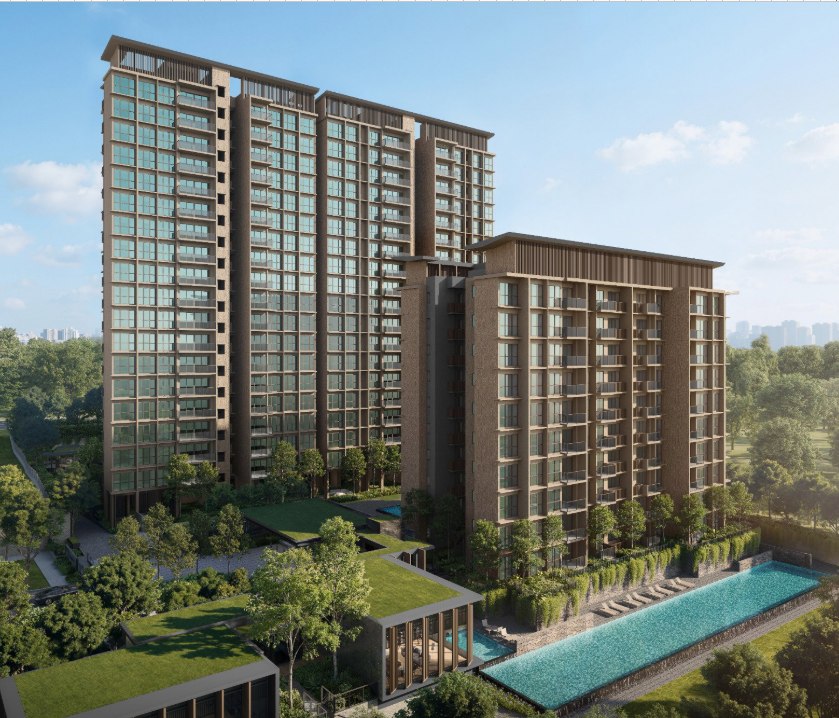
Buying a home involves many paths, from purchasing launch-day units to acquiring completed resale properties. However, some buyers find opportunities in the middle through sub-sales. A sub-sale occurs when an original buyer sells their uncompleted property to a new purchaser before the building receives its Temporary Occupation Permit. For instance, a buyer who secured an early unit at the luxurious Lucerne Grand might decide to sell their contract rights before construction finishes. This transaction type offers unique advantages and challenges. Understanding the mechanics of sub-sales helps property buyers make informed financial decisions in a competitive real estate market.
How Sub-Sales Work in the Property Market
To grasp the concept of a sub-sale, you must understand the timeline of property development. When a developer launches a project, buyers sign a Sale and Purchase Agreement. Construction typically takes several years. If an original buyer decides to sell their rights to the property during this construction phase, the transaction is classified as a sub-sale. The new buyer steps into the shoes of the original purchaser, taking over the payment schedule and terms of the initial agreement.
This process differs significantly from standard resale transactions. In a standard resale, the property is already built, and the transfer of ownership occurs after the title deed is ready. In a sub-sale, you are essentially buying a contract rather than a finished physical structure. Investors often look at high-demand developments like Dunearn House to find these opportunities. Original buyers might list their units for sale due to changes in personal circumstances, financial shifts, or a desire to realize capital gains early. Because the project is still under construction, the secondary buyer must coordinate closely with both the seller and the developer’s legal representatives to ensure a smooth transfer of the legal contract.
Key Benefits for Sub-Sale Buyers
Purchasing a property through a sub-sale offers several distinct advantages, particularly for buyers who missed out during the initial launch phase. First, it allows you to secure a unit in a fully sold-out development. If a highly anticipated project like Lucerne Grand sold all its units on launch day, a sub-sale might be your only chance to acquire a home there before completion.
Second, sub-sales often feature shorter waiting times compared to buying directly from developers at the launch. Since construction is already underway, you will not have to wait the full three to four years for the building to finish. You might buy into a project that is only twelve months away from completion, saving time and rental costs.
Furthermore, sub-sale units are brand new. You receive a pristine home with untouched fixtures, appliances, and fittings, along with the developer’s defect liability period. This gives you the benefits of a new launch—such as modern facilities and zero wear-and-tear—combined with the shorter waiting period typical of the resale market. It bridges the gap between waiting for a plot of land to develop and buying an older, lived-in property.
Financial Considerations and Hidden Costs
While the prospects of acquiring a near-complete unit are appealing, buyers must analyze the financial implications carefully. One critical factor is the payment structure. Unlike a new launch where payments follow a progressive payment scheme from day one, a sub-sale buyer must catch up to the current stage of construction. This means you may need a larger amount of upfront cash or bank loans to pay the seller for the progress payments they have already made to the developer.
Additionally, taxes play a major role in these transactions. Sellers must be aware of the Seller’s Stamp Duty, which applies if they sell the property within a specific holding period. For buyers, the Buyer’s Stamp Duty remains applicable, calculated based on the purchase price agreed in the sub-sale, not the original launch price. If you purchase a premium unit at Dunearn House, your stamp duties will reflect the current market valuation agreed upon with the sub-sale seller. Legal fees also tend to be higher because lawyers must review the original Sale and Purchase Agreement alongside the new tripartite assignment agreement. You must factor these extra costs into your budget before making an offer.
Risks and Due Diligence for Buyers
Entering into a sub-sale agreement requires thorough due diligence to avoid costly legal and financial complications. First, you must verify that the developer permits sub-sales for the specific project. While most standard contracts allow for the assignment of rights, some developments have strict clauses or require specific administrative fees to process the transfer.
Second, evaluate the valuation of the property. Banks will conduct their own valuations to determine your maximum loan amount. If you agree to buy a sub-sale unit at Lucerne Grand for a price that exceeds the bank’s current valuation, you must pay the difference in cash. This is common in rising markets where sellers demand high premiums.
You should also inspect the progress of the construction. Delays in construction can impact your moving plans or refinancing schedules. Work with an experienced real estate lawyer who specializes in uncompleted properties. They will ensure that the original buyer has settled all outstanding progress payments with the developer and that the title transfer documents are legally sound. Checking the developer’s track record, such as the reputation of the builders behind Thomson Reserve, also helps mitigate the risk of project abandonment or structural defects.
Conclusion
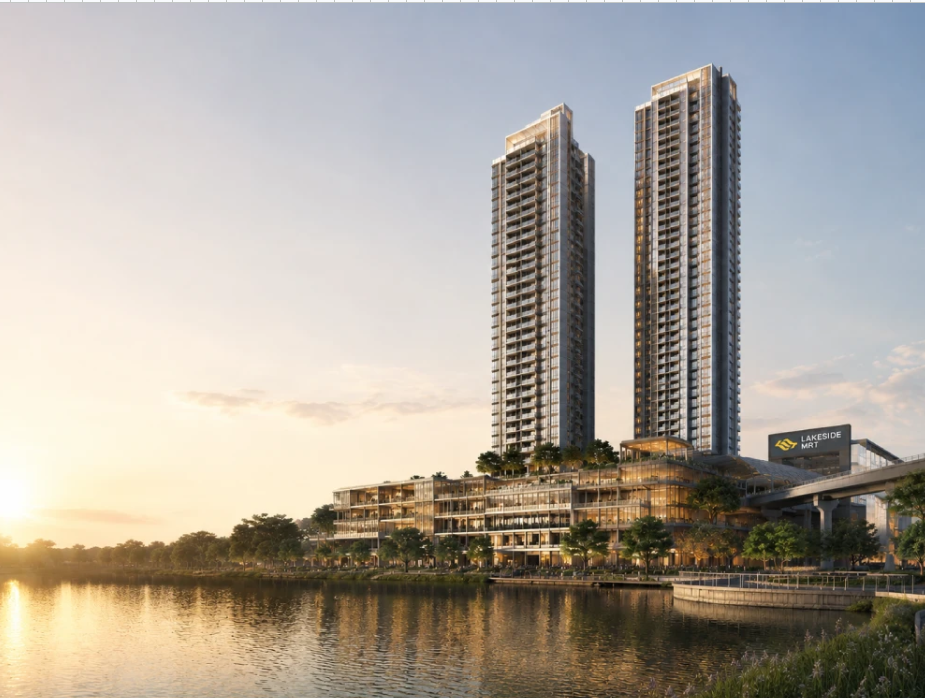
Succeeding in the property market requires a clear understanding of all available transaction methods. A sub-sale represents a unique middle ground for property buyers, offering the freshness of a brand-new development with a significantly reduced waiting time. Whether you are eyeing a premium residence to move into quickly or seeking a strategic investment, these transactions provide viable pathways when initial launches sell out. However, the complex payment structures, upfront cash requirements, and legal intricacies mean you cannot rush the process. By conducting thorough due diligence, calculating all associated stamp duties, and working with experienced legal professionals, you can successfully secure a sub-sale property and protect your financial future.
