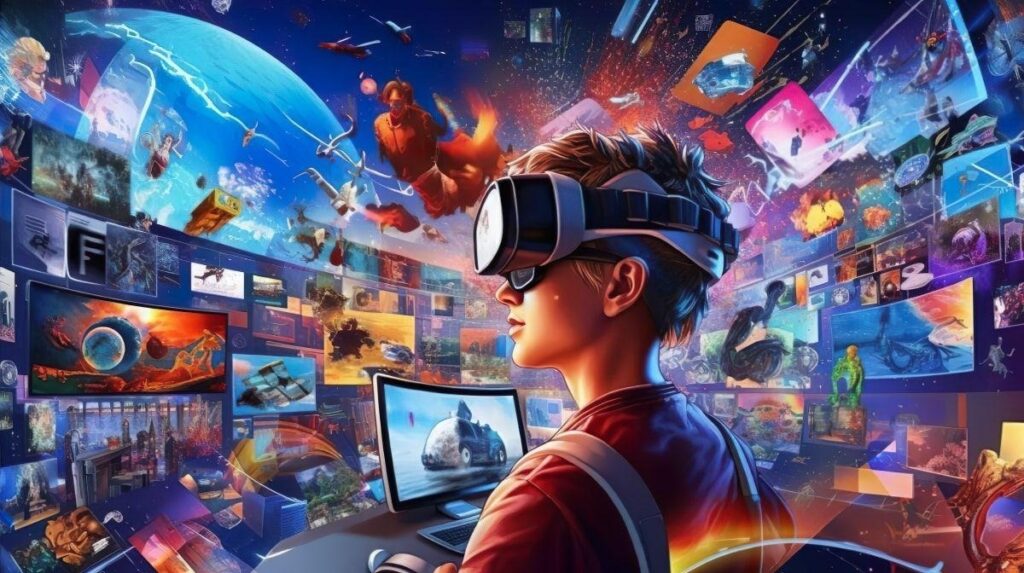
Virtual reality has transformed the way people experience digital content. From gaming and live events to immersive storytelling and streaming, VR technology is creating a more interactive and engaging world for users. As headsets become more affordable and internet speeds improve globally, millions of people are exploring new forms of entertainment through virtual environments.
Platforms like VRSpy are part of this growing digital shift, offering immersive VR experiences that highlight how advanced virtual entertainment has become. Whether users are interested in gaming, cinematic experiences, or interactive media, VR continues to push boundaries in ways traditional entertainment never could.
The Rise of Virtual Reality Technology
Virtual reality was once considered futuristic technology that only a few enthusiasts could access. Today, VR is becoming mainstream. Major technology companies are investing heavily in virtual and mixed reality devices, making them lighter, faster, and more user-friendly.
Modern VR headsets now feature:
- High-resolution displays
- Motion tracking
- Spatial audio
- Wireless connectivity
- Interactive hand controls
These features allow users to feel fully connected to digital worlds. Instead of simply watching content on a screen, VR lets people step inside the experience.
The entertainment industry has especially benefited from this innovation. Streaming platforms, gaming studios, and immersive media creators are constantly exploring new ways to capture audience attention through virtual environments.
Why Immersive Entertainment Is Growing Fast
People today want more engaging experiences. Traditional media formats like television and standard video content are still popular, but audiences increasingly prefer interactive experiences that feel personal and realistic.
VR entertainment creates emotional engagement because users become active participants rather than passive viewers. This level of immersion changes how people consume media.
Some major reasons immersive entertainment is growing include:
Better User Engagement
VR captures attention more effectively than flat-screen content. Users can look around, move naturally, and interact with environments in real time.
Technological Improvements
Faster processors and better graphics make VR experiences smoother and more realistic than earlier generations of devices.
Affordable Hardware
VR headsets are becoming more accessible to average consumers. Standalone devices no longer require expensive gaming computers.
Diverse Content Options
The VR market now includes:
- Gaming
- Virtual tourism
- Live concerts
- Educational simulations
- Sports viewing
- Interactive storytelling
- Adult VR entertainment
This variety attracts users with different interests and preferences.
How VR Is Influencing Digital Streaming
Streaming services are evolving rapidly because of VR technology. Instead of watching content from a fixed angle, viewers can now experience 360-degree environments that feel more lifelike.
This change is especially important for:
- Sports broadcasts
- Music performances
- Live events
- Interactive movies
- Social VR platforms
Creators are also experimenting with immersive storytelling techniques. In VR experiences, viewers often control perspective and movement, which creates stronger emotional connections with content.
As streaming technology advances, VR platforms are expected to become even more sophisticated. High-speed internet and cloud rendering are helping reduce lag and improve visual quality, making immersive streaming more practical for everyday users.
The Role of VR in Adult Entertainment
Adult entertainment has historically adopted new technologies earlier than many industries. VR is no exception. Immersive adult content has become a rapidly growing niche because it offers more realistic and interactive experiences compared to traditional video formats.
Many users are drawn to VR adult entertainment because:
- It feels more immersive
- The viewing experience is more personal
- Advanced camera technology improves realism
- Interactive environments create deeper engagement
At the same time, this industry has helped drive improvements in VR video production, streaming optimization, and headset compatibility.
However, discussions around adult VR content also raise important questions regarding digital privacy, ethical content creation, and online security.
Privacy and Safety in Virtual Reality
As VR platforms grow, protecting user privacy becomes increasingly important. Many VR systems collect:
- Motion data
- Eye tracking information
- Voice recordings
- Behavioral patterns
Because of this, users should take privacy seriously when using VR applications and entertainment platforms.
Some important safety practices include:
Use Trusted Platforms
Choose well-known VR services with clear privacy policies and secure payment systems.
Protect Personal Information
Avoid sharing unnecessary personal details inside VR communities or online platforms.
Keep Software Updated
Regular updates improve device security and reduce vulnerabilities.
Understand Data Collection
Read platform privacy policies to understand how your information is stored and used.
As virtual reality becomes more advanced, data protection laws and digital ethics will likely play a bigger role in shaping the future of the industry.
The Impact of Mixed Reality and Future Innovations
Virtual reality is now evolving into mixed reality (MR) and augmented reality (AR). These technologies combine physical and digital environments to create even more interactive experiences.
For example:
- AR overlays digital objects into the real world
- MR blends virtual elements with physical surroundings
- VR creates fully immersive digital environments
The future of immersive entertainment may include:
- Holographic communication
- Realistic virtual social spaces
- AI-powered interactive characters
- Hyper-realistic simulations
- Advanced sensory feedback systems
As these technologies develop, entertainment could become more personalized than ever before.
VR Gaming Continues to Dominate
Gaming remains one of the biggest drivers of VR adoption worldwide. VR games provide experiences that standard consoles cannot fully replicate.
Players can:
- Physically move during gameplay
- Interact naturally with environments
- Experience realistic first-person immersion
- Play socially inside virtual worlds
The rise of multiplayer VR games and metaverse-style environments is also changing how people socialize online. Virtual communities are becoming digital gathering spaces where users can interact through avatars in real time.
Game developers continue to invest heavily in VR because audience demand keeps increasing each year.
Challenges Facing the VR Industry
Despite rapid growth, VR still faces several challenges.
Hardware Costs
Although prices are improving, high-end VR systems can still be expensive for many users.
Motion Sickness
Some users experience discomfort during long VR sessions due to motion sensitivity.
Content Limitations
While the VR content library is growing, it is still smaller than traditional entertainment markets.
Storage and Bandwidth Requirements
High-quality VR videos require significant storage space and fast internet connections.
Even with these limitations, industry experts believe VR technology will continue expanding over the next decade.
How Businesses Are Using VR Beyond Entertainment
VR is no longer limited to gaming and media. Businesses across many industries now use virtual reality for:
- Employee training
- Virtual meetings
- Product demonstrations
- Healthcare simulations
- Real estate tours
- Online education
This wider adoption is helping VR technology improve faster while making devices more affordable for consumers.
The line between work, communication, and entertainment may become increasingly blurred as immersive technology develops further.
The Future of Immersive Digital Experiences
The future of digital entertainment will likely be shaped by immersion, interaction, and personalization. VR technology is already changing how people connect with content, creators, and online communities.
As artificial intelligence, cloud computing, and wearable devices continue improving, virtual experiences may eventually become part of everyday life.
Platforms focused on immersive entertainment, including vrspy.com, demonstrate how rapidly this industry is evolving. From VR streaming and interactive storytelling to advanced virtual environments, the digital entertainment landscape is entering an entirely new era.