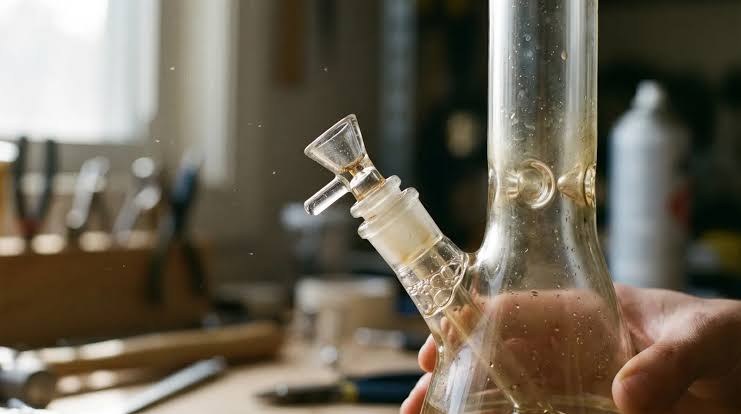
Choosing the right bong material can make a significant difference to durability, maintenance and overall product lifespan. Different materials offer different advantages, particularly when it comes to resistance to accidental damage, cleaning requirements and everyday handling.
Glass, acrylic and silicone are three commonly used materials, each offering a different combination of strength, flexibility and appearance. While glass is often selected for its smooth finish and visual clarity, acrylic is known for being lightweight, and silicone is valued for its flexibility and resistance to breakage.
Understanding how these materials compare can help buyers make more informed decisions based on product quality, maintenance preferences and expected use.
Understanding the Three Common Bong Materials
Before comparing durability, it is useful to understand the basic characteristics of each material.
- Glass: A rigid material known for its transparency, smooth finish and ability to maintain its appearance when properly maintained.
- Acrylic: A lightweight plastic material that is generally more resistant to shattering than glass but can become scratched or worn over time.
- Silicone: A flexible material that can bend without breaking easily, making it suitable for products where impact resistance is important.
Each material has different strengths, so the longest-lasting option depends on how the product is handled, stored and maintained.
1. Glass Bongs: Appearance, Quality and Durability
Glass is a popular material for bong products because of its clear appearance and smooth surface. It allows users to see the internal structure of the product and is available in different shapes, thicknesses and designs.
One of the main advantages of glass is that it generally does not absorb odours or retain flavours as easily as some other materials. It can also be cleaned effectively using cleaning products suitable for the specific glass type.
However, glass has an important limitation: it can crack or shatter if dropped or exposed to sudden impacts.
The durability of a glass product depends on several factors:
- Glass thickness and overall construction.
- Quality of the manufacturing process.
- Shape and structural design.
- How carefully it is handled.
- Whether it is stored in a protective location.
Thicker glass may offer greater resistance to everyday handling, but no glass product should be considered unbreakable.
2. Acrylic Bongs: Lightweight and Practical Construction
Acrylic is a plastic material that offers a different durability profile from glass. It is generally lightweight and less likely to shatter when dropped, making it a practical option for products where accidental impacts are a consideration.
Acrylic products are often available in different colours and designs. Their lightweight construction can also make them easier to handle and store.
However, acrylic has some limitations. Its surface can develop scratches, particularly when cleaned using abrasive materials. Some cleaning chemicals may also damage or weaken the material.
Important factors affecting acrylic durability include:
- Plastic quality and thickness.
- Resistance to scratches and surface damage.
- Exposure to heat.
- Compatibility with cleaning products.
- General handling and storage conditions.
Buyers should always follow the manufacturer’s cleaning instructions to avoid damaging the material.
3. Silicone Bongs: Flexibility and Impact Resistance
Silicone is a flexible material that offers a different approach to product durability. Unlike rigid glass or acrylic, silicone can bend and absorb some impact without breaking.
This flexibility makes it useful for products that may experience occasional knocks or movement during handling.
Silicone is also relatively lightweight and can be manufactured in different shapes and colours.
Its durability depends on the quality of the silicone, manufacturing standards and suitability for the intended application.
Some important considerations include:
- Material quality and composition.
- Resistance to tearing or deformation.
- Exposure to excessive heat.
- Compatibility with cleaning products.
- General wear over time.
Although silicone is resistant to many types of impact, it is not indestructible. Lower-quality materials may deteriorate or lose their original shape with repeated use.
4. Comparing Glass, Acrylic and Silicone Durability
Each material performs differently under common conditions. The following comparison highlights their general characteristics.
| Feature | Glass | Acrylic | Silicone |
|---|---|---|---|
| Impact resistance | Low to moderate | Generally good | Generally very good |
| Flexibility | Low | Low | High |
| Scratch resistance | Depends on glass quality | Can scratch relatively easily | Varies by material |
| Weight | Moderate to heavy | Lightweight | Lightweight |
| Appearance | Clear and transparent | Available in different colours | Available in different colours and shapes |
| Cleaning considerations | Requires suitable cleaning methods | Some chemicals may cause damage | Follow manufacturer instructions |
| Main durability concern | Cracking or shattering | Scratches and material deterioration | Wear, tearing or deformation |
These comparisons are general. Actual performance depends on product construction, material quality and maintenance.
5. Which Material Handles Accidental Drops Best?
Accidental drops are one of the most common causes of damage to products made from rigid materials.
Glass is the most vulnerable to impact because it can crack or shatter when dropped onto a hard surface.
Acrylic generally performs better in this situation because it is less likely to break into sharp fragments. However, it can still crack or become damaged under significant impact.
Silicone offers the greatest flexibility among the three materials. Its ability to bend can help reduce damage from certain impacts.
For buyers who prioritise resistance to accidental drops, silicone and acrylic generally have an advantage over glass.
6. Cleaning and Maintenance Requirements
Cleaning and maintenance can influence how long a product remains in good condition.
Glass generally has a smooth, non-porous surface that is relatively straightforward to maintain when appropriate cleaning products are used.
Acrylic requires more care because abrasive materials and incompatible chemicals can scratch or damage its surface.
Silicone is flexible, but cleaning methods should still follow manufacturer recommendations to protect the material and maintain its condition.
Regardless of the material, buyers should avoid using unapproved chemicals, excessive heat or abrasive cleaning tools.
7. Does Material Quality Matter More Than Material Type?
Although material type is important, manufacturing quality also plays a major role in product lifespan.
A poorly manufactured silicone product may deteriorate sooner than a well-made acrylic product. Similarly, glass thickness, construction quality and structural design can influence how well a glass product withstands normal handling.
When comparing products, buyers should consider:
- Material specifications.
- Manufacturing quality.
- Overall construction.
- Product thickness where relevant.
- Manufacturer care instructions.
- Product warranty and quality information.
Choosing a well-made product is often more important than selecting a material based on its name alone.
8. How to Extend the Lifespan of Different Materials
Proper care can help maintain the appearance and condition of products made from glass, acrylic or silicone.
Some general maintenance recommendations include:
- Store products in a secure location.
- Avoid unnecessary impacts and rough handling.
- Follow the manufacturer’s cleaning instructions.
- Use only cleaning products approved for the material.
- Keep products away from unsuitable heat sources.
- Check regularly for cracks, scratches or other visible damage.
- Replace products when structural damage or deterioration makes them unsafe.
These simple precautions can help reduce avoidable damage and support longer product life.
9. Which Bong Material Lasts the Longest?
There is no single answer because longevity depends on the conditions in which a product is used and maintained.
Glass can maintain its appearance for a long time when handled carefully, but its resistance to accidental impacts is limited. Acrylic offers a practical balance of lightweight construction and impact resistance, although scratches and chemical damage can affect its appearance. Silicone generally offers strong impact resistance because of its flexibility, but material quality and long-term wear remain important considerations.
For buyers comparing glass bongs with acrylic and silicone alternatives, the best choice depends on whether appearance, flexibility, impact resistance or maintenance is the main priority.
Ultimately, understanding the characteristics of each material makes it easier to compare product quality and select an option that meets individual preferences.