
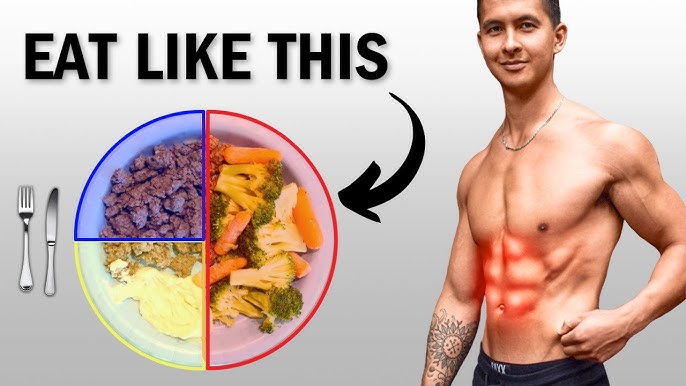
Nutrition is often approached through strict rules, short-term plans, or conflicting advice. Many men attempt to follow rigid systems that promise fast results, only to abandon them after a short period. This pattern leads to inconsistency and confusion about what actually works.
In a digital environment, information about diet appears in fragmented form. A person may read about nutrition, switch to unrelated content such as ipl cricket betting odds, and then return to meal planning without a clear framework. This lack of structure makes it difficult to build sustainable habits.
Courses on nutrition aim to provide that structure. They focus on understanding how food affects the body and how to create a diet that can be maintained over time without extremes.
Why extreme diets fail
Extreme approaches to nutrition often rely on restriction. They eliminate entire food groups, impose strict calorie limits, or require complex rules.
These methods can produce short-term changes, but they often fail for several reasons:
- they are difficult to maintain
- they create psychological pressure
- they ignore individual needs
- they lack flexibility
Courses on nutrition emphasize balance instead of restriction. The goal is to build a system that supports long-term consistency.
What balanced nutrition means
Balanced nutrition is not about perfect eating. It is about creating a pattern that meets basic needs and supports daily activity.
This includes:
- sufficient energy intake
- a mix of macronutrients
- regular meal timing
- adaptability to different situations
Courses teach that balance is dynamic. It can change based on goals, lifestyle, and physical condition.
Core modules in nutrition courses
Effective courses follow a structured approach to learning.
Understanding macronutrients
The first step is learning about macronutrients:
- proteins
- carbohydrates
- fats
Participants learn how each nutrient functions in the body.
For example:
- proteins support tissue maintenance
- carbohydrates provide energy
- fats contribute to hormonal balance
Understanding these roles helps in building a diet.
Energy balance
Another key concept is energy balance.
This refers to the relationship between calories consumed and calories used.
Courses explain:
- how to estimate energy needs
- how activity levels affect requirements
- how to adjust intake based on goals
This knowledge provides a foundation for planning.
Meal structure
Courses also focus on how to organize meals.
Participants learn to:
- distribute nutrients across meals
- maintain consistent timing
- adjust portions
A structured approach reduces decision fatigue.
Building a diet without extremes
One of the main goals of these courses is to help participants create a practical diet.
Starting with simple changes
Instead of drastic adjustments, courses recommend gradual changes.
For example:
- improving meal regularity
- adding more nutrient-dense foods
- reducing reliance on processed options
Small changes are easier to maintain.
Avoiding rigid rules
Rigid rules often lead to failure.
Courses teach flexibility.
Participants learn how to:
- adapt meals to different situations
- manage occasional deviations
- maintain overall consistency
This approach supports long-term adherence.
Personalizing the diet
Each individual has different needs.
Courses emphasize personalization based on:
- activity level
- work schedule
- preferences
A personalized plan is more sustainable.
The role of habits
Nutrition is closely linked to habits.
Courses focus on building routines that support consistent eating patterns.
This includes:
- planning meals in advance
- maintaining regular eating times
- preparing food when possible
Habits reduce the need for constant decision-making.
Common mistakes addressed in courses
Nutrition courses often highlight errors that lead to inconsistency.
Overcomplication
Some individuals create complex plans that are difficult to follow.
Courses encourage simplicity.
Short-term focus
Focusing only on immediate results can lead to unsustainable behavior.
Courses emphasize long-term thinking.
Ignoring hunger signals
Strict plans may ignore natural signals.
Participants learn to recognize and respond to hunger appropriately.
All-or-nothing thinking
Viewing diet as either perfect or failed creates instability.
Courses promote a balanced perspective.
Practical elements of effective courses
To ensure understanding, courses include practical components.
Meal planning exercises
Participants practice creating meal plans based on their needs.
Food tracking
Tracking intake helps identify patterns.
This provides data for adjustments.
Scenario-based learning
Courses simulate real-life situations, such as:
- eating while traveling
- managing busy schedules
- handling social events
This prepares participants for practical challenges.
Skills developed through these courses
Nutrition training develops several useful skills.
Analytical thinking
Participants learn to evaluate food choices based on needs.
Planning
Meal planning improves consistency.
Adaptability
Participants learn to adjust their diet in different contexts.
Self-awareness
Self-awareness Understanding personal habits supports better decisions. Emotional awareness also plays a role in building healthier relationships, as understanding personal needs can support better communication, love, and intimacy. For those exploring topics around connection, attraction, and modern approaches to relationships, learn more about how these areas can influence personal experiences and choices.
Choosing the right course
Not all courses provide the same value.
When selecting a program, it is useful to consider:
- focus on practical application
- clear structure
- avoidance of extreme approaches
- support for personalization
A course should provide tools that can be applied daily.
From knowledge to routine
Learning about nutrition is only the first step.
The key is implementation.
Participants must:
- apply concepts to daily meals
- adjust based on feedback
- maintain consistency
Without action, knowledge has limited impact.
Conclusion
Courses on nutrition for men that focus on creating a diet without extremes offer a structured path to sustainable eating. They move away from rigid rules and emphasize balance, flexibility, and long-term consistency.
By understanding macronutrients, energy balance, and meal structure, participants gain the ability to design a diet that fits their lifestyle. Practical exercises and habit formation support the transition from theory to action.
In a complex information environment, where advice is often fragmented, structured learning provides clarity. A balanced approach to nutrition is not about strict control, but about informed choices and consistent practice.
