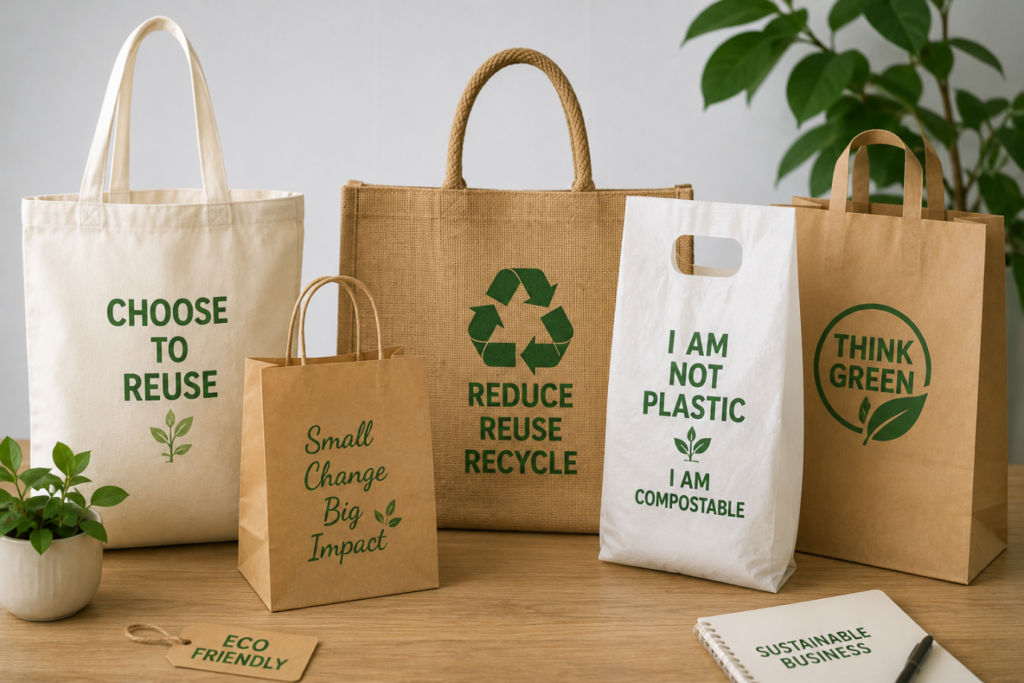
In the modern retail landscape, carrier bags have evolved far beyond their primary function as simple vessels for transporting purchases. They have become a critical component of the customer experience, a silent brand ambassador, and increasingly, a litmus test for a company’s commitment to environmental responsibility. For businesses operating in competitive markets like Switzerland, where quality and sustainability are highly valued, the choice of packaging is a strategic decision that impacts everything from operational costs to brand loyalty. Whether you are a small boutique owner or a large-scale distributor, understanding the nuances of carrier bag materials, designs, and environmental impacts is essential for making informed choices that benefit both your bottom line and the planet.
This comprehensive guide explores the multifaceted world of carrier bags, providing insights into the materials, trends, and practical considerations that should inform your selection process. We will delve into the differences between paper and plastic, the rise of eco-friendly alternatives, and how to align your packaging strategy with the evolving expectations of today’s conscious consumers. By the end of this article, you will have a clear understanding of how to select the right carrier bags to enhance your brand image and support a sustainable future.
The Strategic Importance of Carrier Bags in Retail
Carrier bags are often the last physical touchpoint a customer has with a business before they leave the store. This makes them a powerful tool for reinforcing brand identity and leaving a lasting impression. A well-designed, high-quality bag can elevate the perceived value of the products inside, making the act of shopping feel more like an experience than a mere transaction. Conversely, a flimsy or poorly designed bag can detract from the brand’s image and lead to customer dissatisfaction if it fails to protect the purchase.
Beyond the immediate transaction, carrier bags serve as mobile advertisements. When customers carry your branded bags through the streets, they are effectively promoting your business to everyone they pass. If the bag is durable and attractive enough to be reused, its lifespan as a marketing tool is extended even further. This is particularly true in urban environments where a single bag might be seen by hundreds of people in a single afternoon. Therefore, investing in the right type of Tragetaschen is not just a logistical necessity but a marketing opportunity.
Material Matters: Paper vs. Plastic vs. Eco-Options
The foundation of any carrier bag is the material from which it is made. Each material comes with its own set of advantages, challenges, and environmental considerations. Understanding these differences is the first step in choosing the right bag for your specific needs.
The Versatility of Paper Carrier Bags
Paper bags have seen a significant resurgence in recent years, driven largely by the global movement away from single-use plastics. They are favored for their natural aesthetic and the perception that they are more environmentally friendly. Paper bags are available in a wide range of styles, from simple brown kraft paper bags to premium laminated versions with elegant handles.
- Eco-Friendliness: Paper is biodegradable, compostable, and easily recyclable. Bags made from recycled content or FSC-certified virgin fibers further enhance their sustainability profile.
- Aesthetic Appeal: Paper provides a classic, high-end look that is particularly well-suited for boutiques, gift shops, and premium retailers. It also offers an excellent surface for high-quality printing.
- Customization: From flat paper handles to twisted cords and luxury silk ribbons, the variety of handle options allows businesses to tailor the look and feel of the bag to their brand.
However, paper bags do have limitations. They are generally less durable than plastic, especially when exposed to moisture or heavy loads. Their production also requires significant amounts of water and energy, which must be factored into their overall environmental footprint.
The Durability of Plastic Carrier Bags
Despite the push for alternatives, plastic carrier bags remains a popular choice due to their unparalleled durability and cost-effectiveness. Modern plastic bags, particularly those made from LDPE (Low-Density Polyethylene) or rLDPE (recycled LDPE), offer several practical benefits:
- Strength and Resilience: Plastic bags are highly resistant to tearing and can carry significant weight. They are also waterproof, making them ideal for use in inclement weather or for carrying items that might leak.
- Reusability: High-quality plastic bags are designed to be used multiple times, which can mitigate their environmental impact if customers are encouraged to reuse them.
- Cost-Efficiency: Plastic bags are typically cheaper to produce and transport than paper bags, which can be a significant factor for high-volume retailers.
The primary challenge with plastic bags is their end-of-life impact. If not properly recycled, they can persist in the environment for hundreds of years. This has led to increased regulations and a shift toward using recycled materials like rLDPE to close the loop in the plastic lifecycle.
Exploring Innovative Eco-Friendly Alternatives
As technology advances, new materials are entering the market that aim to combine the benefits of traditional materials with improved sustainability. These include:
- Bioplastics: Made from renewable resources like corn starch or sugarcane, these materials are designed to be biodegradable or compostable under specific conditions.
- Non-Woven Fabrics: Often used for “bags for life,” these materials are highly durable and designed for hundreds of uses, significantly reducing the need for single-use options.
- Agricultural Waste Paper: Some innovative manufacturers are now producing paper from the stalks and leaves left over after harvests, providing a highly sustainable alternative to wood-based paper.
Sustainability Trends in the Packaging Industry
The packaging industry is undergoing a profound transformation, driven by consumer demand for more sustainable solutions and increasingly stringent environmental regulations. Businesses that stay ahead of these trends are better positioned to build trust with their customers and future-proof their operations.
The Shift Toward a Circular Economy
The concept of a circular economy—where materials are kept in use for as long as possible through recycling and reuse—is becoming the gold standard for the packaging industry. This shift is driving demand for bags made from high percentages of recycled content and those that are easily recyclable in existing waste streams. For example, many businesses are now opting for bags made from 100% recycled paper or rLDPE to demonstrate their commitment to resource conservation.
Transparency and Consumer Education
Today’s consumers are more informed than ever and often look for proof of a company’s environmental claims. This has led to a greater emphasis on transparency in the supply chain and the use of third-party certifications. Labels such as FSC (Forest Stewardship Council) for paper or specific recycling symbols for plastics help consumers make informed choices and build confidence in the brand’s sustainability efforts.
The Rise of Reusable Packaging
One of the most effective ways to reduce the environmental impact of carrier bags is to encourage their reuse. Many retailers are now offering high-quality, attractive reusable bags at a small cost, while simultaneously phasing out free single-use bags. This not only reduces waste but also provides customers with a functional item they can use in their daily lives, keeping the brand’s logo in constant view.
Practical Considerations for Choosing the Right Bag
When selecting carrier bags for your business, it is important to balance several competing factors to find the solution that best meets your needs.
1. Assessing Your Product Requirements
The size, weight, and nature of your products will largely dictate the type of bag you need. If you sell heavy items like books or electronics, you will need a bag with a high tear resistance and reinforced handles. If you sell delicate items like jewelry or high-end fashion, the aesthetic appeal and “unboxing” experience may be more important than raw strength.
2. Defining Your Brand Identity
Your carrier bag is an extension of your brand. Think about the message you want to send. A rustic, unbleached kraft paper bag might be perfect for an organic bakery, while a sleek, matte-laminated bag with a silver foil logo would be more appropriate for a luxury watch retailer. The color, texture, and overall design should all align with your brand’s visual identity.
3. Evaluating Environmental Impact
Consider the entire lifecycle of the bag, from raw material extraction to disposal. Look for options that are made from recycled or renewable resources and are easy for your customers to recycle or compost. If you choose plastic, ensure it is a high-quality, reusable type or made from recycled content. Providing clear instructions on how to dispose of or reuse the bag can also enhance your brand’s reputation for sustainability.
4. Balancing Cost and Value
While it can be tempting to choose the cheapest option, it is important to consider the overall value. A slightly more expensive bag that is more durable and attractive may lead to higher customer satisfaction and more frequent reuse, providing a better return on investment in the long run. Additionally, consider the potential for volume discounts and the impact of any local taxes or fees on single-use packaging.
5. Customization and Printing Options
Personalizing your carrier bags is one of the most effective ways to turn them into a marketing tool. Modern printing techniques allow for high-quality, full-color designs even on relatively small orders. Whether you want a simple one-color logo or a complex, artistic design, work with a supplier that can provide the level of detail you need to make your bags stand out. You can explore various customization options at beutel-shop.ch.
The Future of Carrier Bags: Innovation and Beyond
The future of carrier bags will likely be defined by continued innovation in materials and a deeper integration of digital technology. We are already seeing the emergence of “smart” packaging that can be tracked through the supply chain or provide customers with additional information via QR codes.
Advances in Material Science
Researchers are constantly working on new materials that are even more sustainable and functional. This includes everything from seaweed-based plastics to paper that is as strong and water-resistant as traditional plastic. As these technologies scale, they will become more accessible to businesses of all sizes, further expanding the range of eco-friendly options available.
The Impact of Regulation
Government regulations will continue to play a major role in shaping the industry. Many countries and cities have already implemented bans or fees on certain types of single-use plastics, and these measures are likely to become more widespread. Businesses that proactively adopt sustainable packaging solutions will be better prepared to navigate these changes and avoid potential penalties.
The Role of Consumer Behavior
Ultimately, the direction of the industry will be driven by consumer behavior. As more people prioritize sustainability in their purchasing decisions, businesses that fail to adapt will find it increasingly difficult to compete. By offering high-quality, sustainable carrier bags, you are not only meeting a practical need but also aligning your business with the values of your customers.
Conclusion: Making the Right Choice for Your Business
Choosing the right carrier bags is a multi-faceted decision that requires careful consideration of your products, your brand, and your environmental impact. By understanding the strengths and weaknesses of different materials and staying informed about the latest trends in sustainability, you can select a packaging solution that enhances your customer experience and supports your business goals.
Remember that your carrier bag is more than just a way to get products from the store to the home; it is a vital part of your brand’s story. Whether you choose the natural elegance of paper, the robust functionality of plastic, or the innovative promise of new eco-materials, make sure your choice reflects the quality and values of your business. With the right strategy, your carrier bags can become a powerful tool for building brand loyalty and contributing to a more sustainable world.