
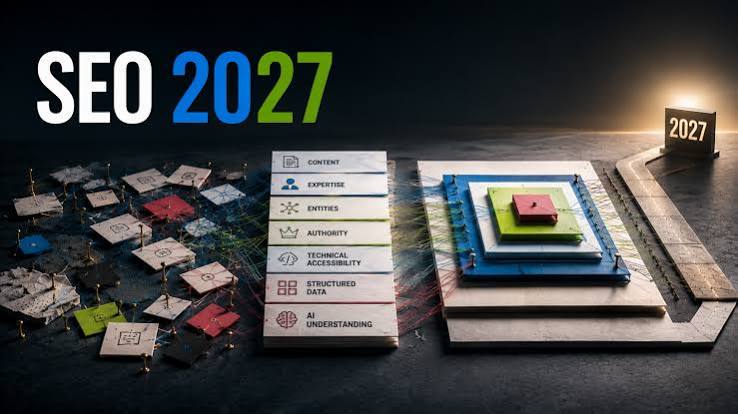
The way industrial buyers search for suppliers, components, and manufacturing partners continues to evolve. In 2027, search engines and AI-powered platforms are better than ever at understanding context, intent, and expertise. That means manufacturers who rely on outdated SEO tactics — thin content, keyword stuffing, or chasing rankings without a clear strategy — will fall behind. The good news is that manufacturers who invest in the right approach will be easier to find, easier to evaluate, and more likely to receive qualified inquiries from the right buyers.
Whether you run a machine shop, fabrication facility, OEM operation, or industrial distribution business, your SEO strategy needs to reflect how your buyers actually make purchasing decisions. Working with an expert manufacturing SEO agency can help you build a strategy that connects your capabilities to the buyers who need them. Here are five practical ways to update your approach for 2027.
1. Target Buyer-Intent Keywords Instead of Search Volume Alone
High search volume does not always mean high value. A keyword like “metal fabrication” may attract thousands of searches per month, but many of those searches come from students, hobbyists, or people doing general research — not procurement managers looking for a supplier.
In 2027, effective keyword strategy means focusing on what your actual buyers type when they are ready to evaluate vendors or request a quote. These are phrases like:
- “precision CNC machining shop for aerospace components”
- “custom metal fabricator with AS9100 certification”
- “contract manufacturer for low-volume plastic injection molding”
These longer, more specific phrases have lower search volume but much higher buyer intent. They attract visitors who are further along in the purchasing process and more likely to contact your sales team. Build your keyword list around the materials you work with, the processes you offer, the industries you serve, and the certifications you hold.
2. Build Detailed Technical Content Around Your Capabilities
Generic website copy does not help industrial buyers evaluate whether your shop is the right fit. A buyer comparing three potential suppliers needs specific information: tolerances, materials, equipment, certifications, lead times, industries served, and examples of past work.
Effective SEO for manufacturing companies means creating content that answers the real questions buyers ask before they ever pick up the phone. This includes:
- Dedicated capability pages for each process or service you offer
- Material-specific pages that explain what you can do with aluminum, stainless steel, HDPE, or other materials
- Application pages that connect your capabilities to specific industries or use cases
- FAQ content that addresses common buyer questions about lead times, minimums, quality standards, and certifications
- Case studies or project examples that demonstrate real-world experience
This type of content helps Google understand what your business does. It also helps buyers quickly determine whether you can handle their project — which is the first question every industrial buyer needs answered.
3. Optimize for AI Search Visibility While Maintaining Traditional SEO Fundamentals
AI-powered search tools, including generative search features in Google and standalone AI platforms, are changing how buyers discover suppliers. These tools pull information from websites, third-party sources, and structured data to generate answers and recommendations.
To be visible in AI search results, your website needs to be clear, well-organized, and authoritative. That means:
- Writing content that directly answers specific questions buyers ask
- Using clear page structures with descriptive headings
- Keeping your technical information accurate and up to date
- Maintaining fast page load speeds and mobile-friendly design
- Using structured data markup where appropriate
AI search does not replace traditional SEO — it builds on it. Manufacturers who have strong foundational SEO will be better positioned to appear in both traditional search results and AI-generated responses.
4. Build Authority Beyond Your Website
Search engines and AI platforms do not evaluate your business based on your website alone. They look at signals from across the web to determine whether your company is credible and trustworthy. In 2027, off-site authority matters more than ever.
Practical ways to build authority outside your website include:
- Earning backlinks from industry associations, trade publications, and supplier directories
- Contributing articles or technical content to manufacturing trade media
- Collecting and managing reviews on Google and industry-specific platforms
- Issuing press releases about new capabilities, certifications, or facility expansions
- Getting listed in credible industrial directories and supplier databases
Each of these signals tells search engines and AI platforms that your business is established, active, and recognized within the manufacturing industry. Over time, this builds the kind of trust that influences both rankings and buyer confidence.
5. Measure Success Through Qualified Leads and Sales Opportunities
Rankings are a useful indicator, but they are not the goal. A manufacturer ranking on page one for a keyword that never generates RFQs is not getting value from their SEO investment. In 2027, the right metrics are the ones tied to actual business outcomes.
Shift your reporting focus to include:
- Number of RFQs and quote requests submitted through your website
- Phone calls generated from organic search traffic
- Form submissions from qualified industrial buyers
- Sales opportunities that originated from search
- Conversion rates from organic visitors to leads
When you measure what actually matters, you can make smarter decisions about where to invest your content and SEO efforts. You will also be able to clearly demonstrate the return on your marketing spend.
Conclusion
Manufacturing SEO in 2027 is not about gaming algorithms or chasing traffic for its own sake. It is about making sure that Google, AI search platforms, and industrial buyers can clearly find your business, understand your capabilities, trust your expertise, and take the next step toward contacting you. Manufacturers who focus on buyer intent, technical content, AI visibility, off-site authority, and meaningful measurement will be better positioned to compete — and win — in an increasingly digital industrial marketplace. Start with one area, build from there, and treat your website as the sales tool it should be.
