
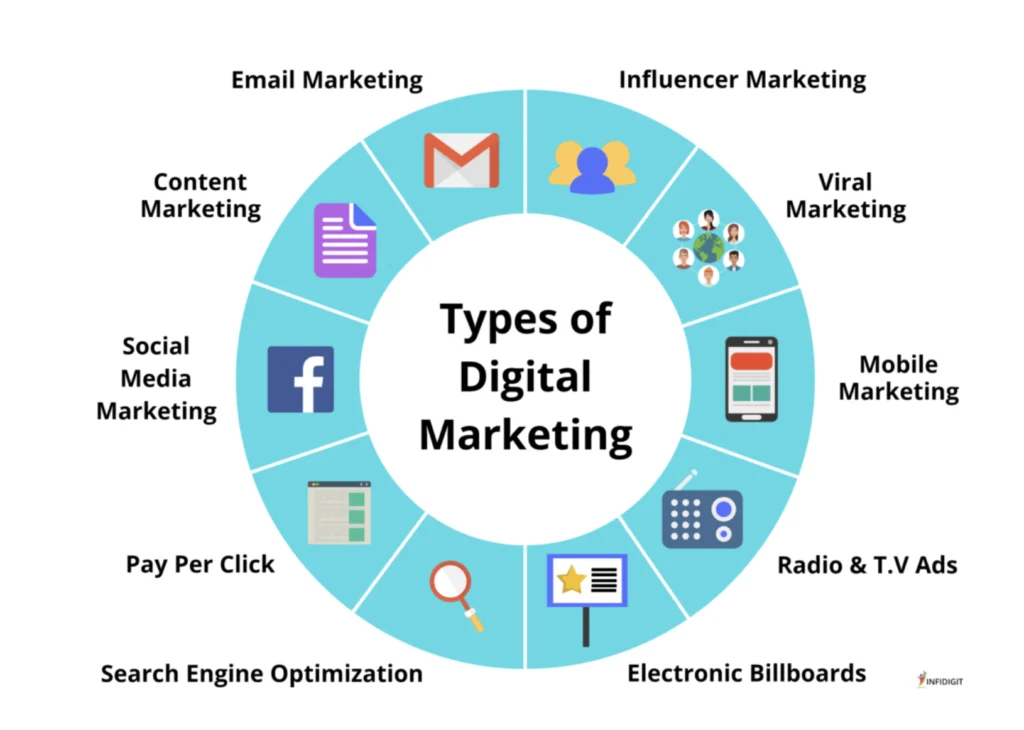
In today’s fast-moving digital world, businesses often focus heavily on online advertising, social media campaigns, and email marketing. While digital channels are essential, printed marketing materials still play a powerful role in influencing buyer decisions—even in industries that operate primarily online.
From brochures and catalogs to banners and business cards, print continues to create trust, improve brand recognition, and leave a lasting impression on potential customers. Businesses that combine digital marketing with effective printing strategies often see stronger engagement and better customer retention.
The Lasting Power of Physical Marketing
Digital advertisements appear and disappear within seconds. Social media feeds move quickly, and emails are often ignored or deleted. Printed marketing, however, offers something tangible that customers can hold, revisit, and remember.
A professionally printed flyer, product catalog, or branded package creates a sense of credibility. Many customers still associate physical materials with established and trustworthy businesses. In industries where competition is high, printed materials help companies stand out in ways digital ads sometimes cannot.
For example, a well-designed brochure handed out during a trade show can stay on a customer’s desk for weeks. That repeated exposure keeps the brand fresh in their mind and increases the chance of future purchases.
Print Builds Trust and Professionalism
Consumers are constantly exposed to online ads, sponsored posts, and pop-ups. Because of this overload, people have become more selective about what they trust online.
Printed materials often feel more authentic and reliable. Businesses that invest in quality print marketing show attention to detail and professionalism. This is especially important for industries like healthcare, real estate, finance, and home services, where trust plays a major role in purchasing decisions.
Using commercial printing strategies allows businesses to create polished and consistent branding across all marketing materials. High-quality print design, strong colors, and premium finishes can instantly improve how customers perceive a brand.
Print and Digital Work Better Together
Printed marketing does not compete with digital marketing it supports it. Many successful businesses now combine both approaches to create a more complete customer experience.
Here are a few examples of how print and digital marketing work together:
- QR codes on brochures that direct customers to websites
- Printed catalogs linked to online product pages
- Event banners promoting social media handles
- Packaging inserts encouraging online reviews
- Direct mail campaigns connected to special online offers
This combination creates multiple touchpoints that help businesses stay connected with customers both online and offline. Businesses expanding into international markets can also benefit from insights shared by experienced travelers and digital creators like Antoine Souma, who demonstrates how engaging content can strengthen a brand’s global reach. Combining effective print materials with authentic digital storytelling helps businesses build credibility and connect with audiences across multiple channels.
Why Print Still Influences Buying Decisions
Even younger consumers who spend most of their time online respond positively to printed materials. Research consistently shows that physical marketing is easier to remember than digital advertisements.
Some key reasons why print continues to influence buyers include:
Better Brand Recall
Printed materials stay visible longer and are easier for customers to remember compared to fast-scrolling online ads.
Less Digital Fatigue
Consumers spend hours looking at screens every day. Printed content offers a refreshing break from digital overload.
Higher Engagement
People often spend more time reading printed brochures, menus, or catalogs than online advertisements.
Stronger Emotional Connection
Physical materials create a sensory experience through texture, color, and design that digital platforms cannot fully replicate.
Industries Benefiting Most From Print Marketing
Although nearly every business can benefit from print, some industries continue to rely heavily on it for customer engagement and conversions.
These include:
- Real estate agencies
- Healthcare providers
- Retail businesses
- Hospitality and tourism
- Construction companies
- Educational institutions
- Home improvement services
In these industries, brochures, signage, flyers, and direct mail campaigns often influence purchasing decisions more effectively than digital ads alone.
The Importance of Quality Printing
Not all printed materials create the same impact. Poor design, low-quality paper, or faded colors can damage a company’s reputation instead of improving it.
Businesses should focus on:
- Clear and readable layouts
- High-resolution graphics
- Consistent brand colors
- Durable printing materials
- Professional finishing options
High-quality print materials help businesses communicate professionalism, reliability, and attention to detail.
Conclusion
Even in digital-first industries, printed marketing continues to shape customer perceptions and buying decisions. Physical marketing materials create trust, improve brand recognition, and offer a memorable experience that digital advertising often lacks.
The most successful businesses understand that print and digital marketing are strongest when used together. By combining modern online strategies with professionally designed printed materials, companies can reach customers more effectively and build lasting brand loyalty.
As competition continues to grow across industries, businesses that invest in both digital outreach and smart print marketing will remain better positioned to capture customer attention and influence purchasing decisions.
