Introduction
A phone digicam that struggles with clarity or produces shaky snapshots can quickly float everyday moments into annoying reviews. If your digicam is not deliberately correct or shows uncharacteristic vibrations even though your arms are stationary, the most likely problem indicates faulty optical image stabilization (OIS). When it fails, it can make images blurry, videos look bland, or even ruin original focusing. Understanding how this equipment works – and how to upgrade it – can save money and time, especially for those who opt for hands-on restoration solutions and even for those who rely on sources like diy restoration to use reliable tools.
Modern smartphones are manufactured with precision and require proper technology and appropriate equipment to repair them. Tools with magnetic phillips screwdriver and stainless steel spudgers play an important role in proper starting of gadgets and control of sensitive internal components With proper guidance and careful attitude, it is also possible to replace the OIS module and other similar complex maintenance. This booklet explains the causes of digicam instability, the repair procedure, and how to restore the functionality of your device by designing a specialist compliant with first-class restoration practices .
Understanding the OIS System
Optical image stabilization is designed to counteract small manual actions through real-time adjustment of the digicam lens. It uses small vehicles and sensors to keep images sharp, especially in low softs or when recording video. When this device goes down, the lens may additionally vibrate uncontrollably or fail to lock focus. This leads to a lot of blurry pix and visible on-screen shake. Problems can grow over the years due to contribution from droplets, underwear, or magnetic interference.
Since the OIS module is directly connected to the digital camera hardware, any failure affects the general overall performance. Unlike software system bugs, it’s a hardware problem that requires physical recovery. It’s important to know the difference because many users spend time resetting devices or updating software applications to no avail. Once diagnosed, the most effective response is to change the OIS.
Signs Your Camera’s OIS Needs Replacement
There are several obvious signs that your digicam stabilizer is malfunctioning. Even when the phone is on a solid surface, the most common signal is constant vibration. Another symptom is difficulty focusing, where the camera constantly adjusts but never gets a sharp image. You may also hear a faint clicking sound when you start the digital camera software, indicating untethered internal connectors.
In some cases, even if the outer frame looks good, tightness can be seen after a drop or impact. Internal damage can prevent the fixation from being corrected, making it impossible to characterize the lens well. These signs and symptoms should not be ignored now, as delayed treatment can cause similar damage to the camera module or mounts around
Tools needed for safe treatment
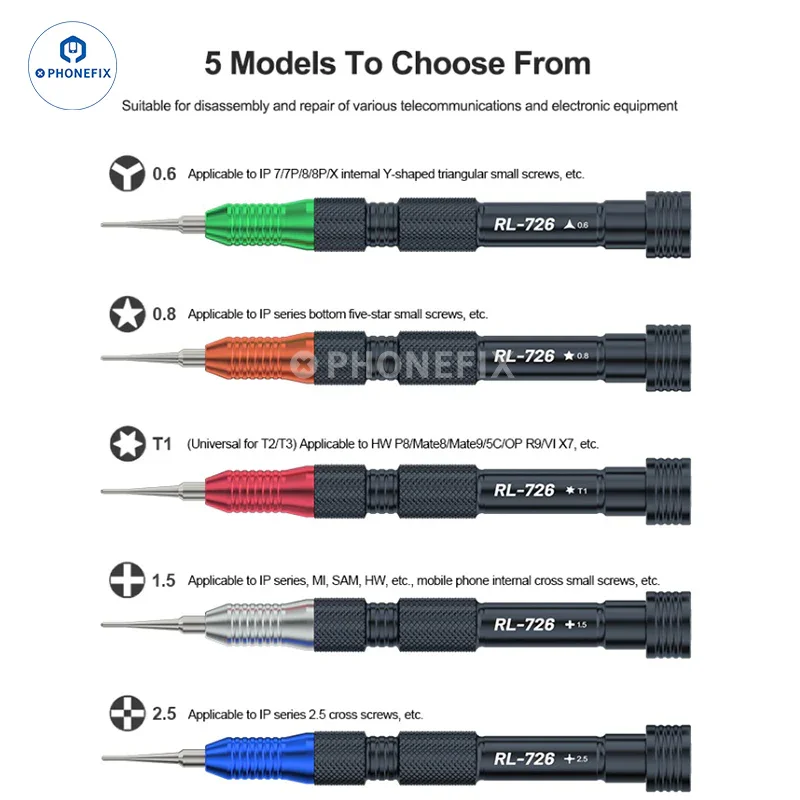
Repairing a mobile digicam requires precision equipment, which limits the risk. A magnetic Phillips screwdriver is vital for getting rid of small screws without losing them all through the system. Its magnetic tip ensures excellent control and performance, especially when working with compact machinery. Equally important is a Stainless Steel Spudger that allows you to gently unwind the machine from harmful touching the interior components or connectors.
Now, using the appropriate device is not the most effective improves the recovery performance but also protects against unintentional damage to the device. Cheap or improper equipment can strip screws, damage connectors, or scratch internal components. Investing in first-class restoration equipment ensures a smooth experience and matches professional treatment standards.
Step by Step OIS Replacement Procedure
The repair technique begins with turning off the power to the device and removing the retracted shield properly. This step requires staying power and a proper rotating tool to avoid cracking the glass or damaging the clips. Once inside, you will want to remove the battery to ensure protection at some stage of the treatment. Using a magnetic Philips screwdriver, release the screws securing the digicam module and surrounding shields.
Next, locate the digicam unit and carefully remove it using Stainless Steel Spudger. The OIS is usually integrated within the camera module, so replacement is usually a replacement of the entire unit. After installing the new factor, reassemble the machine in reverse order, ensuring all connections are stable. With the power on, test the camera to verify that focusing and stabilization are stable against the bottom of the page.
Common mistakes to avoid during treatment
One mistake is to use too much force when starting the machine. This can damage the internal connectors or crack the display. Another problem is the failure to align the screws cleverly, which can cause confusion throughout the reassembly. Using the wrong tools or skipping safety precautions by disconnecting batteries can also cause full-scale problems.
Additionally, many buyers overlook the importance of compatibility when purchasing option parts. Not all digital camera modules are the same, and using the wrong one can result in terrible general overall performance or complete failure. Always verify the model and specification before taking action on the restoration.
When to Consider Professional Help
While DIY maintenance is costly, there are situations where professional help is more appropriate. If the device has a couple of problems, such as loss of the camera or problems with sensitive connectors containing the Face ID Chip, it is far supported that you meet a professional these require good skills and specialized equipment that goes past the primary device for restoration.
Choosing specialized repair services ensures accuracy and reduces further losses. However, for customers with the right equipment and confidence, replacing OIS modules is still a prudent and profitable endeavor. It allows you to address the overall functionality of your machine and gain valuable technical enjoyment.
Conclusion:
Fixing a smartphone camera that suffers from focusing issues or shake is entirely possible with the right information and tools. By reporting the condition of the OIS system and following a careful repair procedure, you can deliver the bottom part of your device to life without unnecessary charges. Highly adequate tools such as magnetic phillips screwdrivers and stainless steel spudgers make the system safer and more efficient, ensuring the effects of a professional phase even in a domestic location
Choosing a thoughtful and informed restoration technique now will not only save you money but also extend the existence of your device. Whether you choose to do the repair yourself or seek expert help, addressing the problem directly is fundamental to keep the most profitable camera, and with the right management and reliable resources, restoring your phone’s digital camera can be a genuine and satisfying pleasure.