
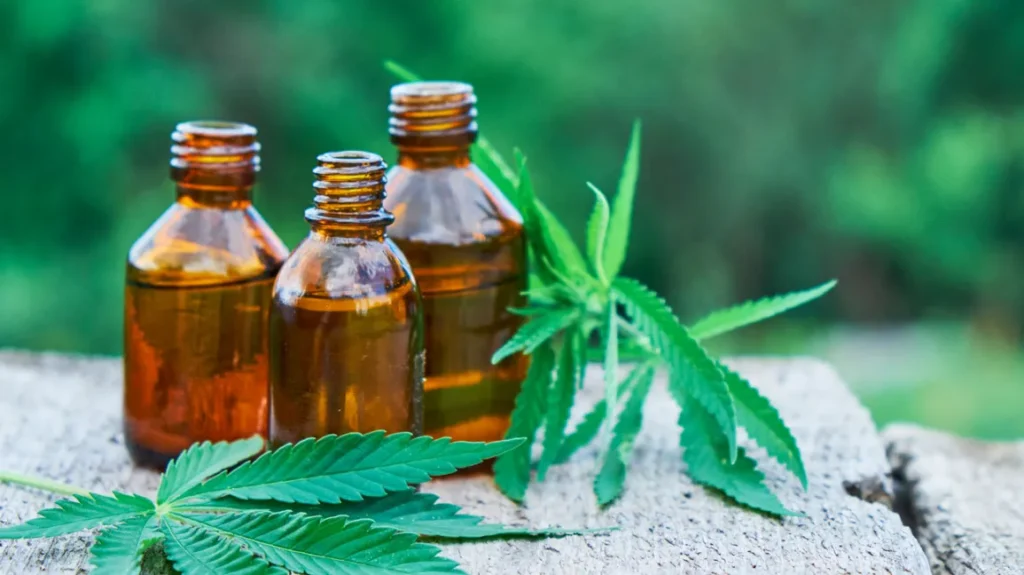
Interest in CBD has grown quickly, especially as people look for natural ways to support overall wellness. One common question that comes up is whether CBD can affect body weight. Some people believe it may help with weight loss, while others worry it could cause weight gain. The truth is more nuanced. Understanding how CBD works in the body can help you get a clearer picture of its potential role in weight changes.
How CBD Interacts With the Body
CBD, or cannabidiol, is a compound derived from the hemp plant. It interacts with the body’s endocannabinoid system (ECS), which plays a role in regulating many functions such as appetite, metabolism, mood, and sleep. The ECS includes receptors found throughout the body, mainly CB1 and CB2 receptors.
Unlike THC, CBD does not directly bind strongly to these receptors. Instead, it influences them indirectly. This subtle interaction may affect how the body maintains balance, including processes related to hunger and energy use.
Can CBD Help With Weight Loss?
Some early research and user experiences suggest that CBD may support weight management in a few indirect ways. First, it may influence appetite. While THC is known for increasing hunger, CBD appears to have a different effect. Some users report reduced cravings, especially for unhealthy snacks.
CBD may also play a role in how the body processes fat. There is some evidence that it could encourage the conversion of white fat into brown fat. Brown fat is more active and burns calories to produce heat, which may support metabolism.
Additionally, CBD may help reduce stress and improve sleep. Since stress and poor sleep are linked to weight gain, improving these areas could indirectly support healthier weight levels. Many people who use products from Green Roads mention feeling more balanced, which can help with maintaining consistent habits.
Can CBD Cause Weight Gain?
On the other side, CBD does not guarantee weight loss. In some cases, it may even contribute to weight gain, depending on how it is used. For example, CBD products like gummies or oils often contain added ingredients such as sugar or carrier oils, which add calories.
CBD may also improve appetite in people who struggle to eat due to stress or certain health conditions. In these cases, weight gain can actually be a positive outcome. It helps restore a healthier balance rather than causing unwanted fat gain.
Another factor is lifestyle. If someone uses CBD but continues with unhealthy eating habits and low physical activity, weight gain is still possible. CBD is not a substitute for a balanced diet and regular exercise.
The Role of Dosage and Product Type
The way CBD affects weight can vary depending on dosage and the type of product used. Lower doses may have a different impact compared to higher doses. For some people, small amounts may boost focus and reduce stress, while larger amounts may promote relaxation and better sleep.
Product choice also matters. Oils, capsules, and tinctures usually have fewer added calories compared to edibles like gummies. Choosing high-quality options from brands such as Green Roads can help ensure better ingredient transparency and consistency.
It is important to read labels carefully and understand what you are consuming. This helps you avoid hidden calories and manage your intake more effectively.
CBD, Stress, and Emotional Eating
One of the most important ways CBD may influence weight is through stress management. Many people turn to food when they feel anxious or overwhelmed. This type of emotional eating can lead to gradual weight gain over time.
CBD is often used to support a calmer state of mind. By helping reduce feelings of stress, it may lower the urge to snack unnecessarily. This can make it easier to stick to a more balanced eating routine.
Users of Green Roads products often highlight relaxation as a key benefit, which can indirectly support healthier lifestyle choices.
What Does Research Say?
Scientific research on CBD and weight is still developing. While early studies and anecdotal reports are promising, more large-scale human studies are needed to confirm these effects.
Some animal studies have shown that CBD may influence metabolism and fat browning. However, results in humans may differ. This means CBD should not be seen as a quick solution for weight loss or gain.
Instead, it should be viewed as one possible tool within a broader wellness routine that includes proper nutrition, exercise, and sleep.
Key Things to Keep in Mind
If you are considering CBD for weight-related reasons, there are a few important points to remember:
- CBD does not directly cause weight loss or gain
- Effects can vary from person to person
- Product type and ingredients matter
- Lifestyle choices still play the biggest role
- Consistency and moderation are important
Choosing trusted products, such as those from Green Roads, can help you get more reliable results, but expectations should remain realistic.
Final Thoughts
CBD’s relationship with weight is complex. It may support certain factors like stress reduction, sleep quality, and appetite balance, all of which can influence body weight over time. However, it is not a magic solution.
If your goal is to manage your weight, CBD can be one part of a bigger picture. Focus on building sustainable habits, and use CBD as a supportive addition rather than the main strategy.
