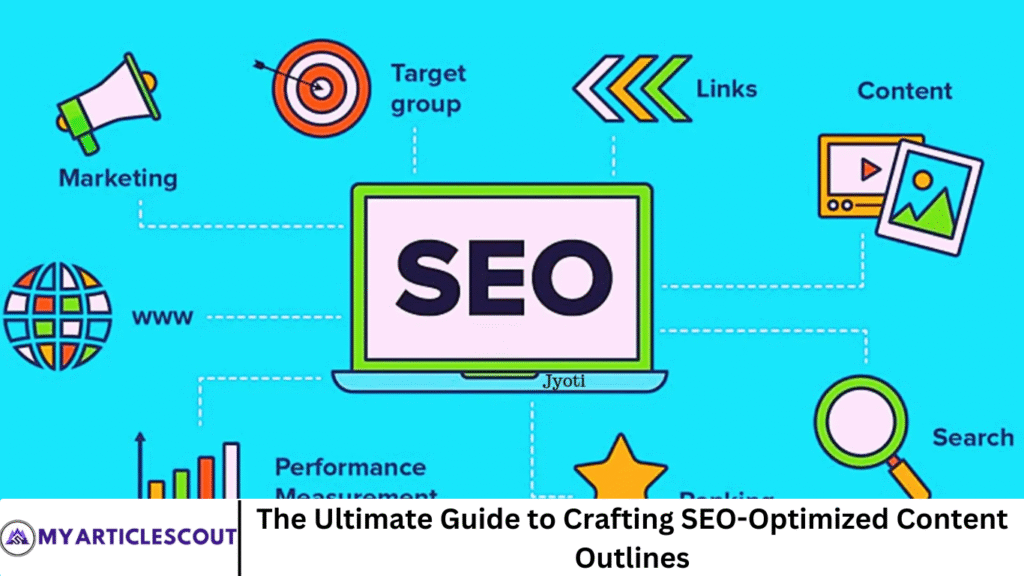
In the world of content marketing, strategy beats spontaneity. Successful blog posts aren’t born from inspiration alone—they’re structured, intentional, and backed by solid research. That’s where SEO-optimized content outlines come into play.
Whether you’re a blogger, content strategist, or digital marketer, mastering the art of content outlining can transform your content creation process. This ultimate guide breaks down the why, what, and how of building content outlines that not only streamline writing but also rank higher in search engines.
More Read: Engaging Topics for Your Next Argumentative Essay
Why Content Outlines Matter for SEO
Before diving into the process, let’s understand the benefits of using an SEO-focused content outline:
1. Boosts Search Engine Visibility
Outlines help you plan where and how to use keywords, making your content more discoverable by search engines.
2. Improves Content Structure and Readability
Google loves content that is easy to read and well-organized. Outlines ensure logical flow and help you use headings effectively for both SEO and user experience.
3. Streamlines the Writing Process
A well-prepared outline eliminates guesswork. It gives you a clear roadmap, reducing writing time and improving quality.
4. Ensures Topic Coverage
By outlining in advance, you can make sure all relevant subtopics and user questions are addressed—reducing content gaps.
Step 1: Define Your Content Goal
Start by answering these questions:
- Who is your target audience?
- What is the main topic or focus keyword?
- What’s the goal of the content—traffic, conversions, backlinks, or brand authority?
This clarity shapes the entire outline. For example, a blog targeting “best CRM tools for small business” will differ in tone and structure from one targeting “how to choose a CRM.”
Step 2: Perform Keyword Research
Keywords are the cornerstone of SEO. Use tools like Ahrefs, SEMrush, Ubersuggest, or Google Keyword Planner to identify:
- Primary keyword (main search term)
- Secondary keywords (related phrases)
- Long-tail keywords (specific search queries)
Example:
If your topic is “Email Marketing Strategy,” your research might uncover:
- Primary Keyword: Email Marketing Strategy
- Secondary Keywords: email campaign tips, how to write a marketing email
- Long-Tail Keywords: best email marketing strategy for e-commerce, email marketing for beginners
Include these strategically in your outline to naturally place them during writing.
Step 3: Analyze the SERPs
Study the top 5-10 ranking pages for your target keyword. Ask:
- What topics do they cover?
- How is the content structured?
- What headings or FAQs are included?
- What content format do they use (listicle, tutorial, guide)?
Tools like Surfer SEO, Clearscope, or Frase can help automate this comparison and identify content gaps you can fill.
Step 4: Plan Your Headings (H1, H2, H3)
Headings play a dual role: They enhance SEO structure and improve user navigation.
Basic Heading Structure:
- H1: Blog Title (used once)
- H2s: Main sections
- H3s: Subpoints under H2
- H4s: Optional—used for even more detailed breakdowns
Example Outline for “How to Start a Blog”:
- H1: How to Start a Blog in 2025: A Beginner’s Guide
- H2: Step 1: Choose a Blogging Platform
- H2: Step 2: Pick a Domain Name
- H2: Step 3: Set Up Hosting
- H2: Step 4: Design Your Blog
- H2: Step 5: Write Your First Blog Post
- H2: FAQs About Starting a Blog
Each H2 can have 1–3 H3s for elaboration.
Step 5: Create a Detailed Section-by-Section Breakdown
Now that you have headings, flesh out each one with bullet points, questions to answer, or keywords to include.
Example:
H2: Step 2 – Pick a Domain Name
- Importance of brandable domains
- Tools for domain research
- Tips: Keep it short, memorable, and niche-relevant
- SEO keyword inclusion in domain (pros/cons)
- Mistakes to avoid
Repeat this process for every major section. It ensures that when you or your writer starts drafting, the core ideas and structure are already locked in.
Step 6: Include SEO Elements in the Outline
An SEO-optimized outline should plan for the following:
1. Meta Title & Description
These influence click-through rate in SERPs.
- Title: 50–60 characters
- Meta Description: 150–160 characters
Example:
- Title: “How to Start a Blog in 2025 (Step-by-Step Guide)”
- Description: “Learn how to start a blog in 2025 with this beginner-friendly guide. Covers everything from choosing a platform to publishing your first post.”
2. Internal Linking Opportunities
Note where you can link to other relevant content on your site. Example:
- “In Step 3, link to ‘Best Hosting Providers in 2025’ post.”
3. External Links
Plan to cite authoritative sources for stats, studies, or tools. Example:
- Link to HubSpot’s email marketing benchmark report.
4. Keyword Placement Recommendations
Plan primary keyword usage in:
- H1
- First 100 words
- One or more H2s
- Meta description
- Image alt text
Step 7: Optimize for Featured Snippets & FAQs
Google loves structured content that directly answers questions.
How to target featured snippets:
- Use clear question-based H2s or H3s
- Answer in 40–50 words directly under the heading
- Use numbered lists or bullet points for processes
Include FAQ Schema:
Add 2–4 frequently asked questions at the end of the post. Use FAQPage structured data to help them appear in SERPs.
Example FAQs:
- What is the best platform to start a blog?
- Can I start a blog for free?
Step 8: Visual Elements Planning
Modern SEO isn’t just about text. Plan where to include:
- Images (screenshots, infographics)
- Videos (tutorials, product demos)
- Charts or data visualizations
Add placeholders in your outline, e.g.:
- “Insert screenshot of domain registration process”
- “Embed YouTube video on setting up WordPress”
This enhances dwell time, user engagement, and SEO performance.
Step 9: Assign CTAs and Conversion Elements
Every piece of content should guide the reader toward a goal.
Types of CTAs to plan:
- Lead magnet download: e.g. “Get our blog launch checklist”
- Internal content promotion: “Read our SEO basics guide”
- Product/service pitch: “Need help? Contact our content team”
Place these CTAs naturally within or at the end of the content.
Step 10: Review and Refine the Outline
Finally, audit your outline for:
- Logical flow: Does it follow a clear progression?
- Keyword integration: Are keywords placed naturally?
- Content gaps: Are all audience questions answered?
- SEO best practices: Title tag, meta, internal links, etc.
Consider asking a colleague or editor to review the outline before drafting begins.
Bonus: Use Tools to Automate and Enhance Outlining
Here are some tools to make outlining easier and more effective:
| Tool | Purpose |
|---|---|
| Surfer SEO | SERP analysis, content guidelines |
| Frase | AI-driven outline and brief creation |
| AnswerThePublic | Discover common questions |
| Clearscope | Keyword and content scoring |
| Notion / Google Docs | Collaborative outlining |
Frequently Asked Question
What is an SEO-optimized content outline?
An SEO-optimized content outline is a structured framework that organizes your content around targeted keywords, user intent, and SEO best practices. It includes headings, subheadings, keyword placement, internal links, and formatting cues to help content rank better in search engines.
Why is a content outline important for SEO?
A content outline ensures your blog post covers all relevant subtopics and search queries, making it more valuable to readers and more likely to rank well. It improves content structure, keyword usage, and helps maintain focus during the writing process.
How do I choose the right keywords for my content outline?
Use keyword research tools like Ahrefs, SEMrush, or Google Keyword Planner to find a primary keyword with search volume and relevance. Then, identify related secondary and long-tail keywords that align with user intent and naturally fit within your content.
Should I outline every blog post before writing?
Yes. Creating an outline before writing helps save time, reduce writer’s block, and improve the quality of your content. It also ensures your post aligns with SEO goals and covers everything your audience is looking for.
How detailed should a content outline be?
An effective content outline includes a title, meta description, H2/H3 headings, bullet points for each section, keyword placements, internal/external links, and CTAs. The more detailed your outline, the easier the writing process becomes.
Can I use AI tools to generate content outlines?
Absolutely. Tools like Surfer SEO, Frase, and Jasper can help generate data-driven outlines based on real-time SERP analysis. These tools suggest relevant headings, keyword usage, and structure based on top-performing content.
How do I optimize a content outline for featured snippets?
To target featured snippets, use clear, concise headings and directly answer common questions in 40–50 words. Incorporate bullet points, numbered lists, and definition-style answers where relevant to improve your chances of being featured.
Conclusion
Crafting SEO-optimized content outlines isn’t just a smart habit—it’s a game-changing strategy that separates average content from top-ranking, high-performing posts. By laying the groundwork with keyword research, SERP analysis, and a clear structure, you give your content the best possible chance to rank, engage, and convert. Whether you’re writing blog posts, landing pages, or thought leadership articles, a well-built outline keeps your content focused, efficient, and aligned with both user intent and search engine algorithms.